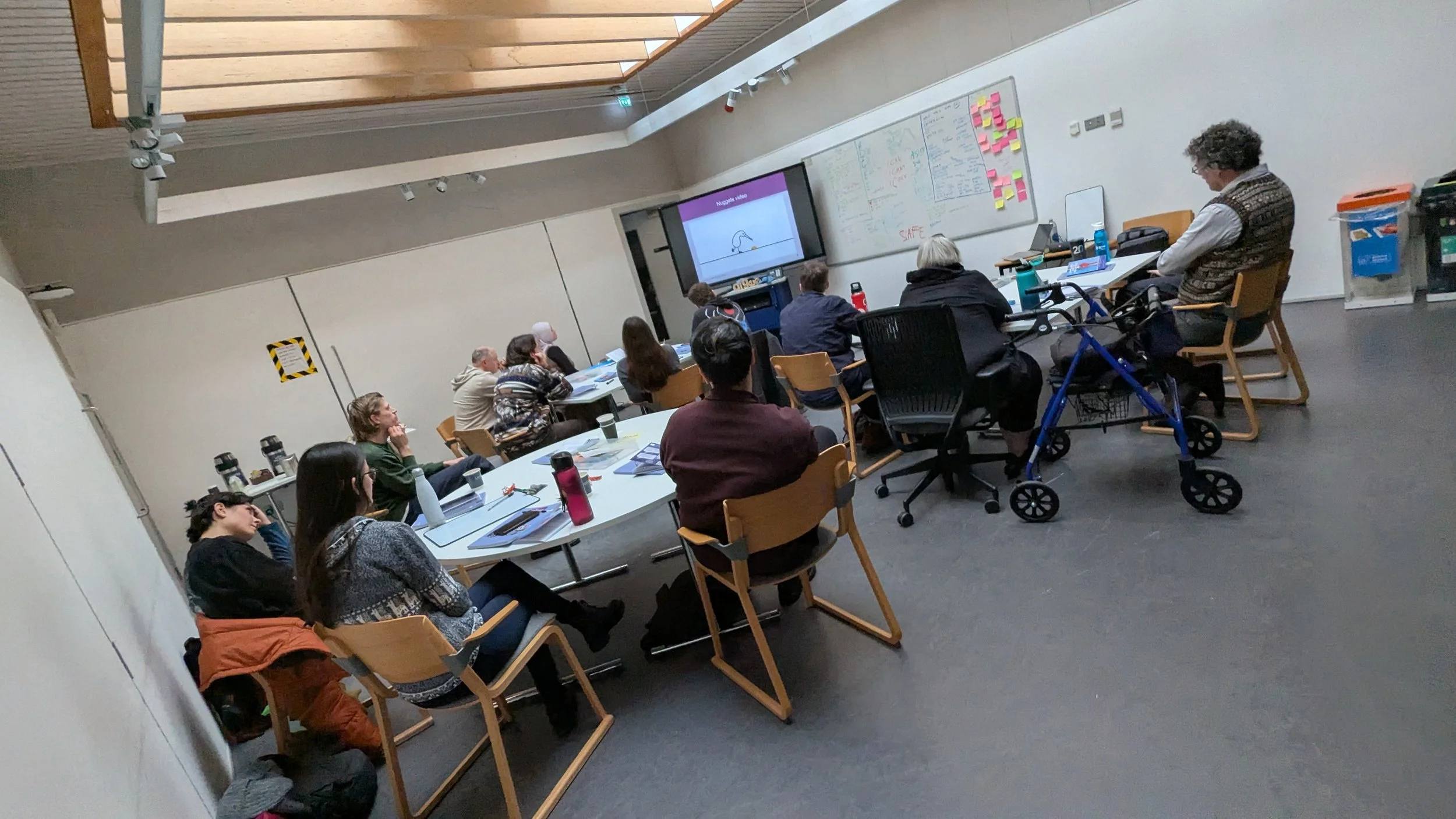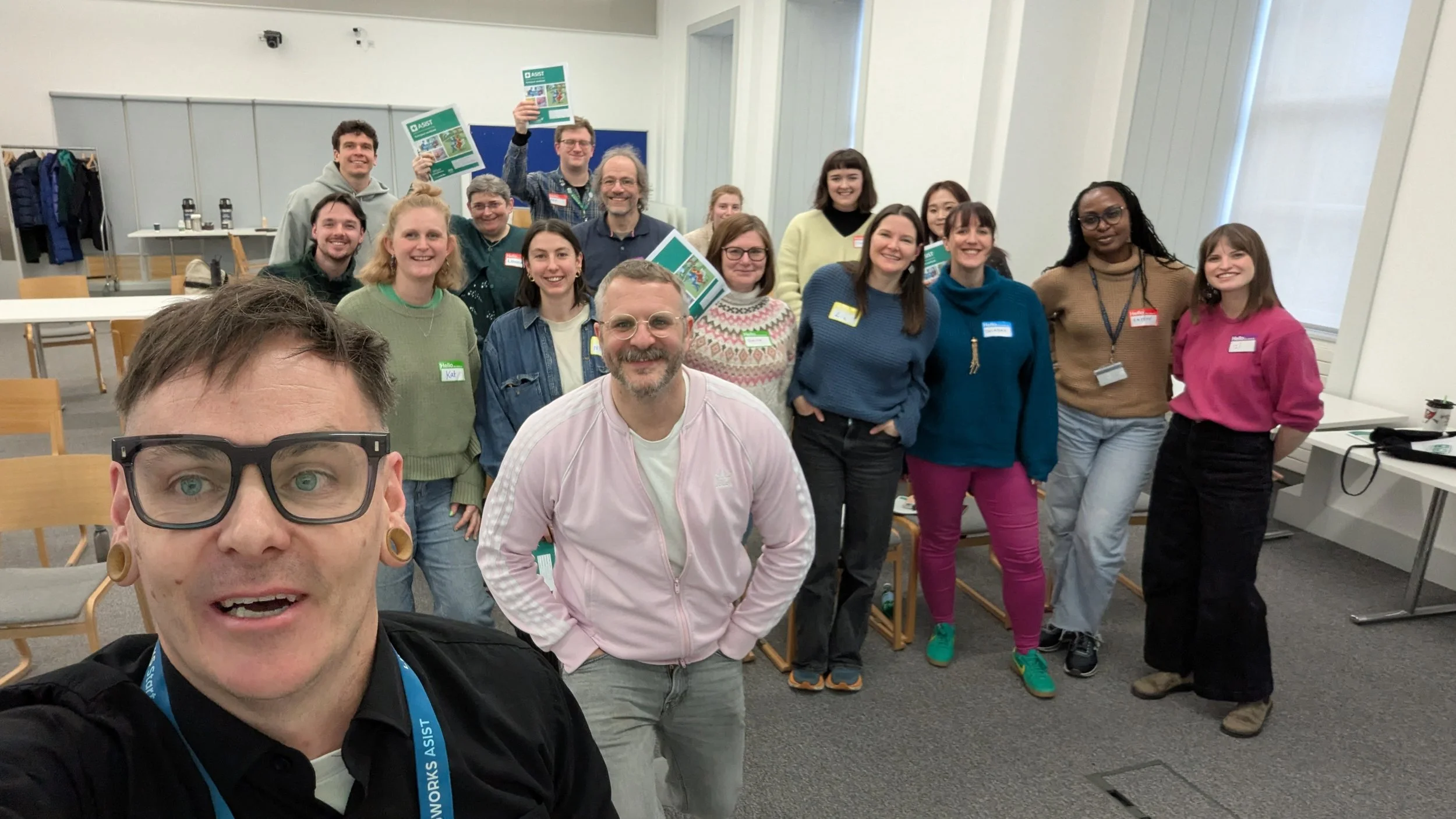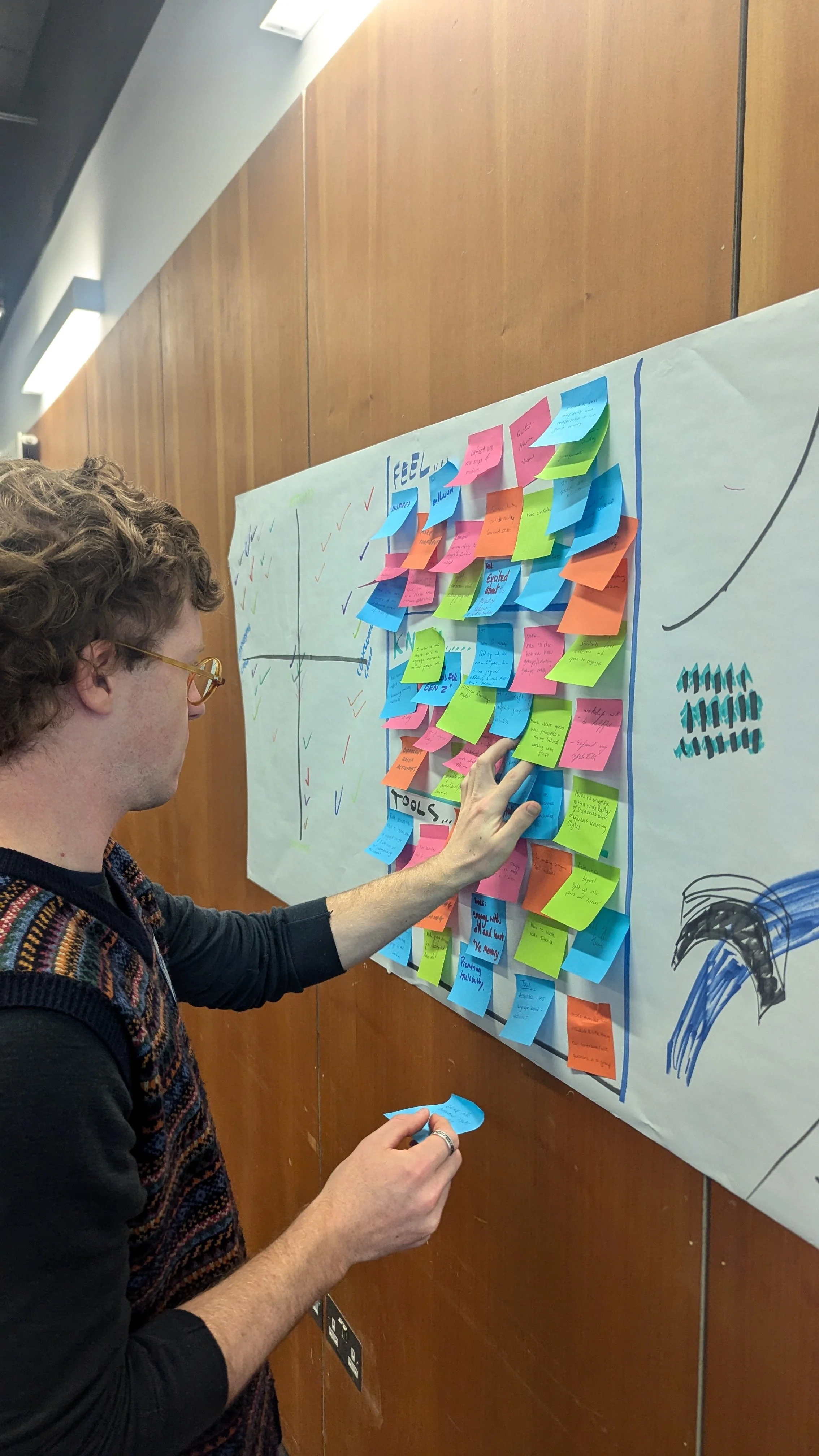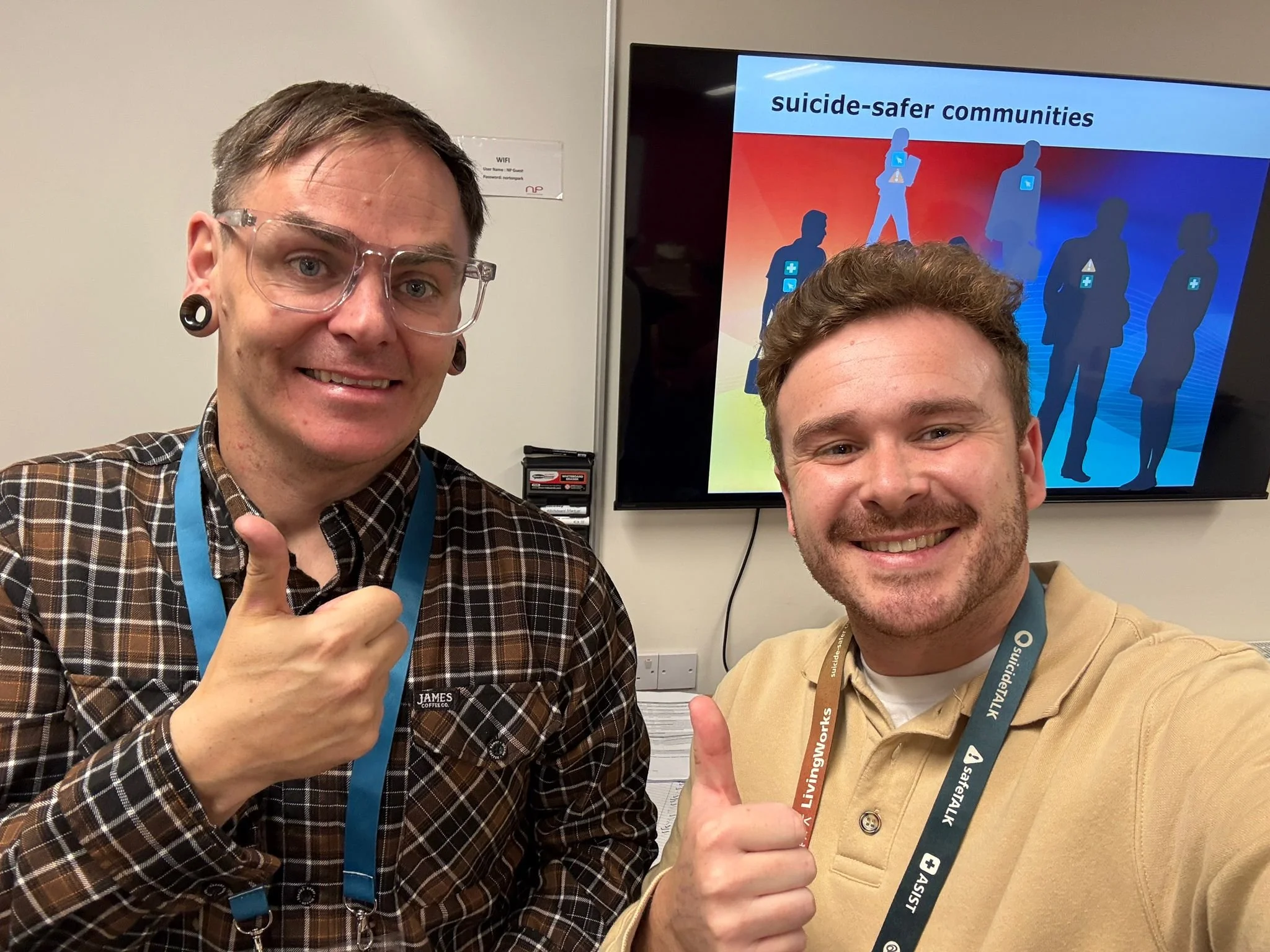
ChrisGrantGla · Annual Training Report 2025–26
Cover
Year Three · April 2025 – April 2026
Scotland · England · Hong Kong
A Year
in Training.
chrisgrantgla.com
contact@chrisgrantgla.com
The room
is never
the same
twice.
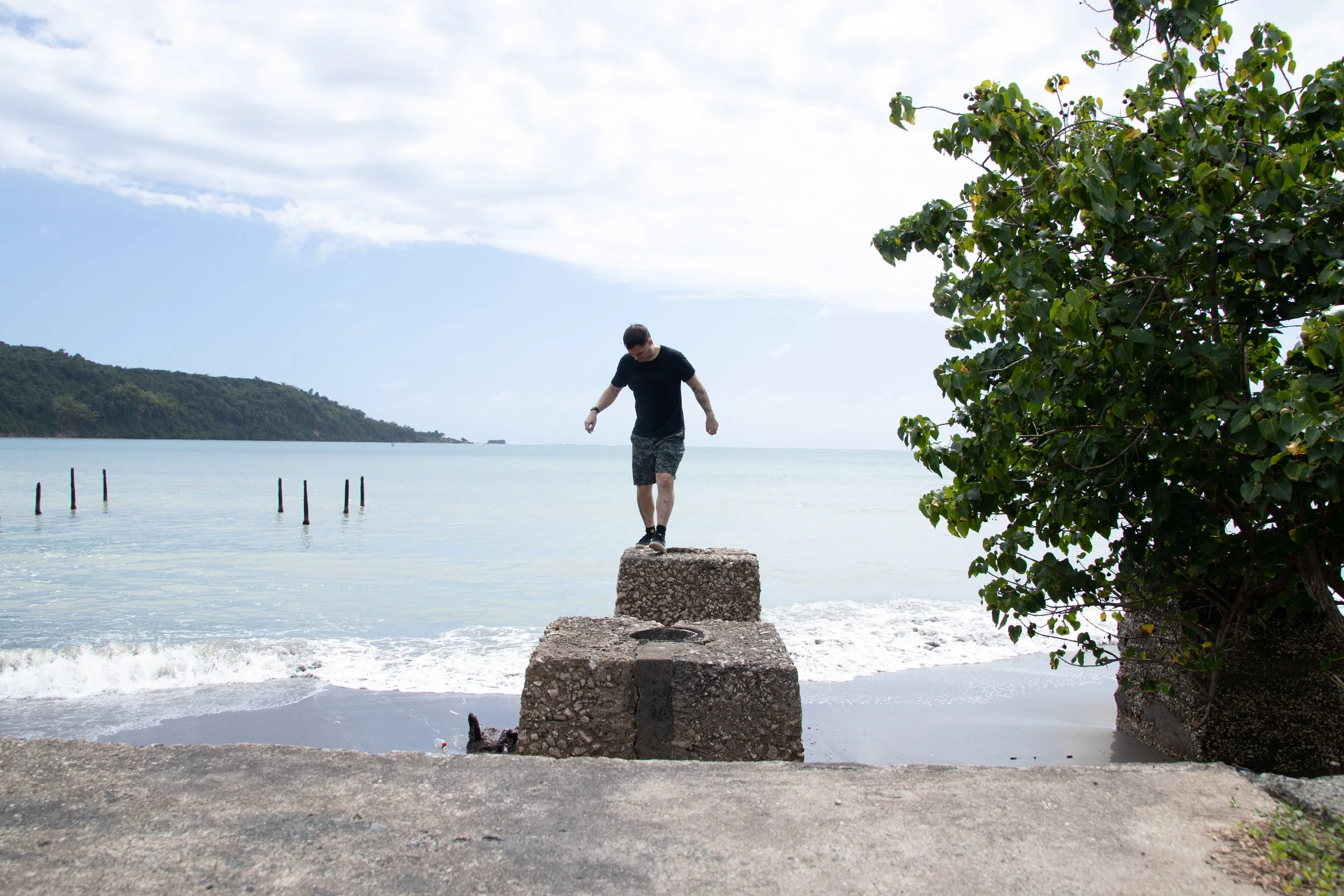
One of the things I value most about this work is the travelling it asks of me. The early Western Ferry sailings, the long drives up the A83, the overnight flights to somewhere entirely different, and the quiet satisfaction of walking into a community I haven’t visited before and knowing that by the end of the second day, it will feel familiar. What stays with me most is the compassion, bravery and honesty people bring to these conversations, often on topics they have never spoken about openly before. Thank you to every community that opened a door, put the kettle on, and made me feel genuinely welcome, and to the ones I keep coming back to, who feel like old friends by now.
🚗
4,336
miles driven
Innellan to Shetland, Campbeltown,
Lochgilphead, Dunoon, Helensburgh,
Glasgow, Edinburgh and Leeds.
(And back!)
57
ferry crossings
6 books of Western Ferries tickets
A CalMac ticket to Tarbert
A 14-hour boat to Lerwick
One bonus tourist sailing,
Wan Chai to Tsim Sha Tsui
11,920
miles flown
Glasgow → Hong Kong → Glasgow.
Worth every mile.
(And a cancelled Loganair flight.)
Where the Work Happened
28 courses · 9 locations
SMHFA
ASIST
GFS
MHFA England
Staff Away Day
Peer Feedback
+ Hong Kong (Nov 2025) — we ran out of map to the east.
The Year at a Glance
504
People trained
95.6%
Rated Excellent across all criteria
299
Feedback forms returned

The twelve months from April 2025 to April 2026 were the most active year of delivery in three years of freelancing and full time parenting. Across 28 courses spanning Scotland, England and Hong Kong, I worked directly with 504 people, each of whom took time out of demanding jobs to learn something that genuinely matters. Four programmes, seven regions, seven co-trainers, and 299 feedback forms returned. That last number is the one I care most about: it means 85% of everyone who attended thought it worth writing something down when they left.

The numbers are good. Across SMHFA, ASIST, Groupwork and Facilitation Skills and MHFA England combined, 95.6% of all individual trainer ratings were Excellent. ASIST participants reported an average confidence gain of over 1.7 points across all four self-assessed competencies on the 1–5 scale, the sharpest gains in preparedness (+2.03) and confidence to help (+1.91). Life-assisting suicide interventions and Mental Health First Aid conversations are happening as a result of the training. It’s in the numbers and it’s in the stories I’m hearing.
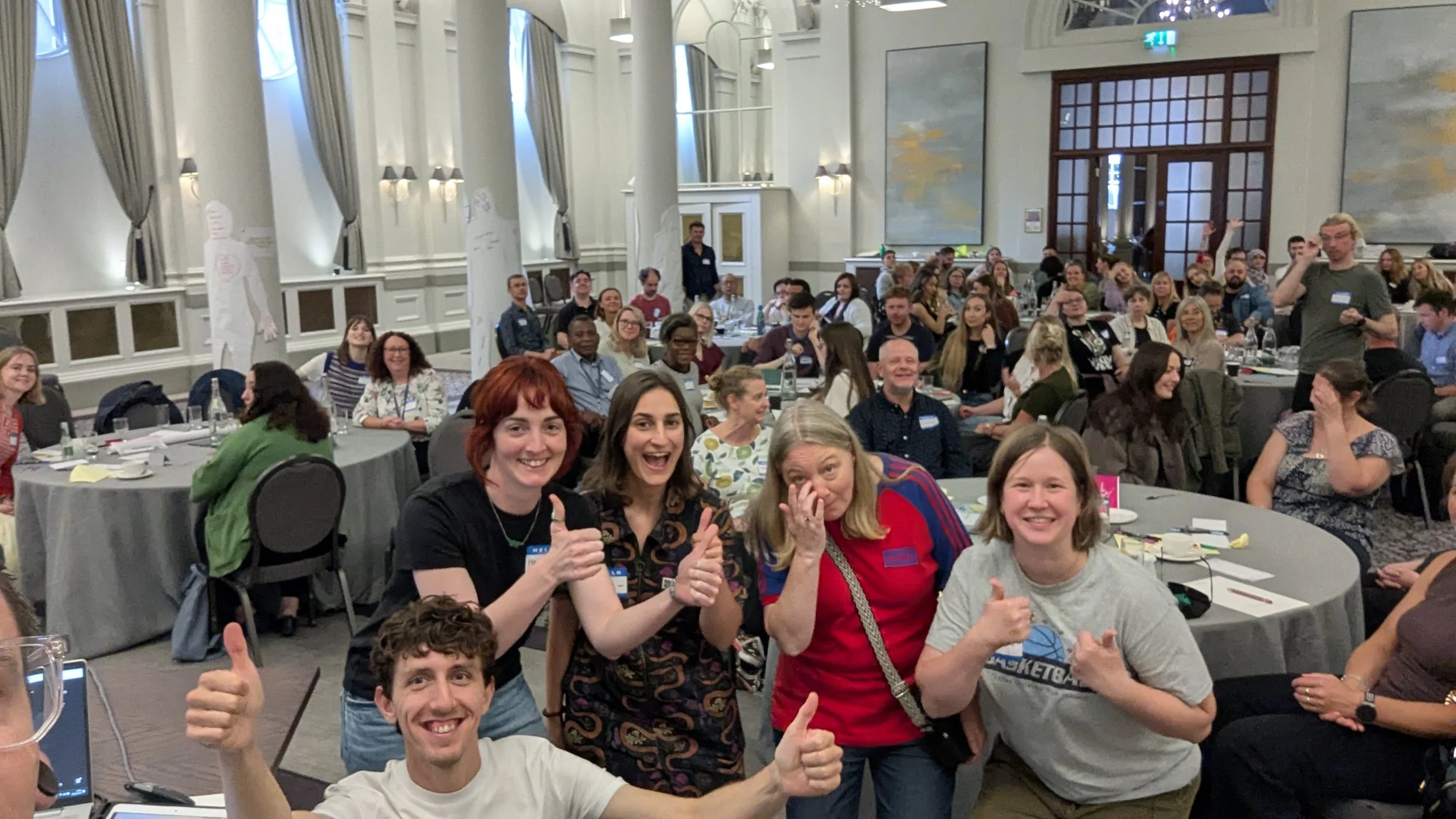
Scotland’s MH First Aid
174
learners · 13 courses
Excellent %95.9%
Certifications174
Locations7
ASIST · Livingworks
136
learners · 8 courses
Overall rating9.63/10
Recommend9.73/10
Avg conf. gain+1.77 / 5
Groupwork & Facilitation
17
learners · 2 courses
Excellent %94.5%
Response rate65%
ClientEd Uni
MHFA England
24
learners · 2 courses
Instructor rating10.0/10
Recommend9.54/10
LocationLeeds
Bespoke & One-Off Deliveries
3 events · 153 people
Indigo Childcare Group · Castlemilk
Peer Feedback Workshops ×2
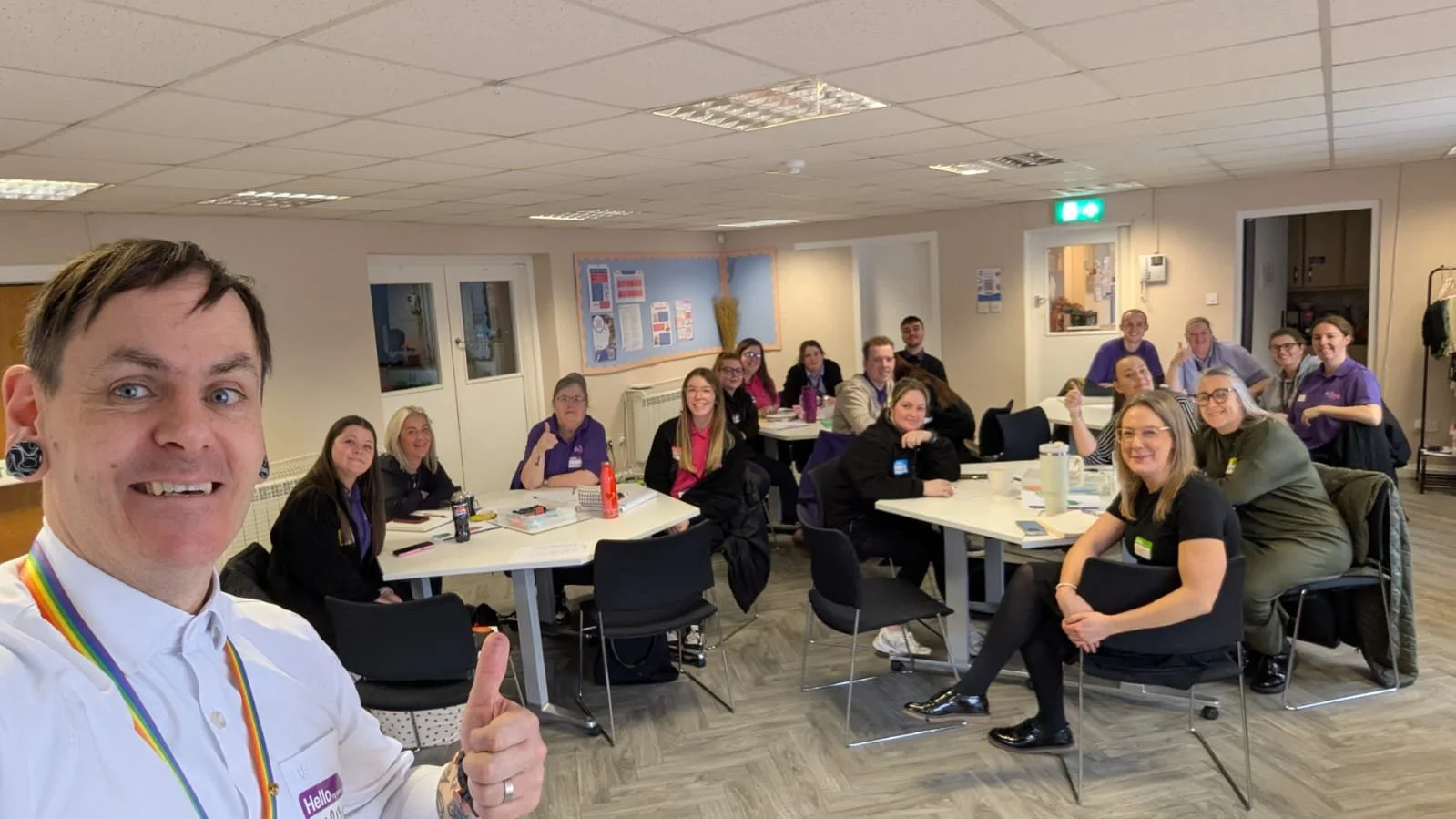
A structured one-day workshop for Indigo Childcare Group staff, designed to build a healthier feedback culture across the organisation. Working in small groups across four facilitated panel activities, participants explored why feedback matters, how it feels to receive it honestly, how to give it well, and what a workplace gains when people trust each other enough to be open. Practical, participatory, and built around the real experiences of the people in the room.
21 + 22 participants · 2 cohorts · Mar 2025
School of GeoSciences · Edinburgh
Staff Away Day Facilitation
Working with a small staff committee, I helped host and facilitate the GeoSciences annual staff away day around the theme of reconnection. The day celebrated the communities within the team and their partners through a festival format: tent cards, a weather choir, a crowd of giant paper people, and some unexpected singing. It was a blast.
110 participants · Sep 2025
SMHFA
Programme Report
Scotland’s Mental Health
First Aid
The Programme
Thirteen courses across seven locations, from Shetland to Edinburgh, Helensburgh to Campbeltown. SMHFA is a two-day applied training that equips participants to recognise the signs of mental health crisis, have confident first-response conversations, and support someone to access the right help. Built around the ALGEE action plan, it covers the full spectrum of mental health conditions including depression, anxiety, psychosis and suicide. Participants leave with a Scotland’s Mental Health First Aid certification.
Courses13
Certifications awarded174
Forms returned148
Response rate85%
Trainer Performance · % Excellent
Knowledge
99.0%
Equality & Diversity
99.3%
Lead Discussions
97.3%
Group Working
96.6%
Presentation
95.9%
Support Learning
95.3%
Participation
93.9%
Pace
87.8%
Overall Excellent
95.9%
Across 8 criteria · 148 forms
Locations
Shetland · Edinburgh · Glasgow · Dunoon · Lochgilphead · Campbeltown · Helensburgh
From the room
“This was far and away the best course of any kind I have been on. It really felt like a safe, supportive space and everybody’s safety was the priority.”
Participant · Shetland
ASIST
Programme Report
Applied Suicide Intervention
Skills Training
The Programme
Eight courses this year, from Edinburgh and Glasgow to Lochgilphead, and for the first time anywhere outside Scotland, Hong Kong. ASIST is a two-day workshop that teaches a practical, structured approach to suicide intervention. Every course runs with two trainers, and every participant gets time in real roleplay conversations using the PAL framework. People arrive uncertain and leave with genuine confidence that they could help someone in a crisis. The data bears that out.
Courses8
Learners136
Excellent %95.0%
Co-trainers7
Trainer Performance · % Excellent
Knowledge
99.0%
Presentation
97.0%
Lead Discussions
96.0%
Group Working
95.0%
Participation
95.0%
Support Learning
95.0%
E&D
95.0%
Pace
92.1%
Confidence Gains
Ask Directly
Before
After
+1.62
gain on 1–5 scale
Intervene
Before
After
+1.53
gain on 1–5 scale
Preparedness
Before
After
+2.03
gain on 1–5 scale
Confidence
Before
After
+1.91
gain on 1–5 scale
Rate ASIST /109.63
Likelihood to recommend /109.73
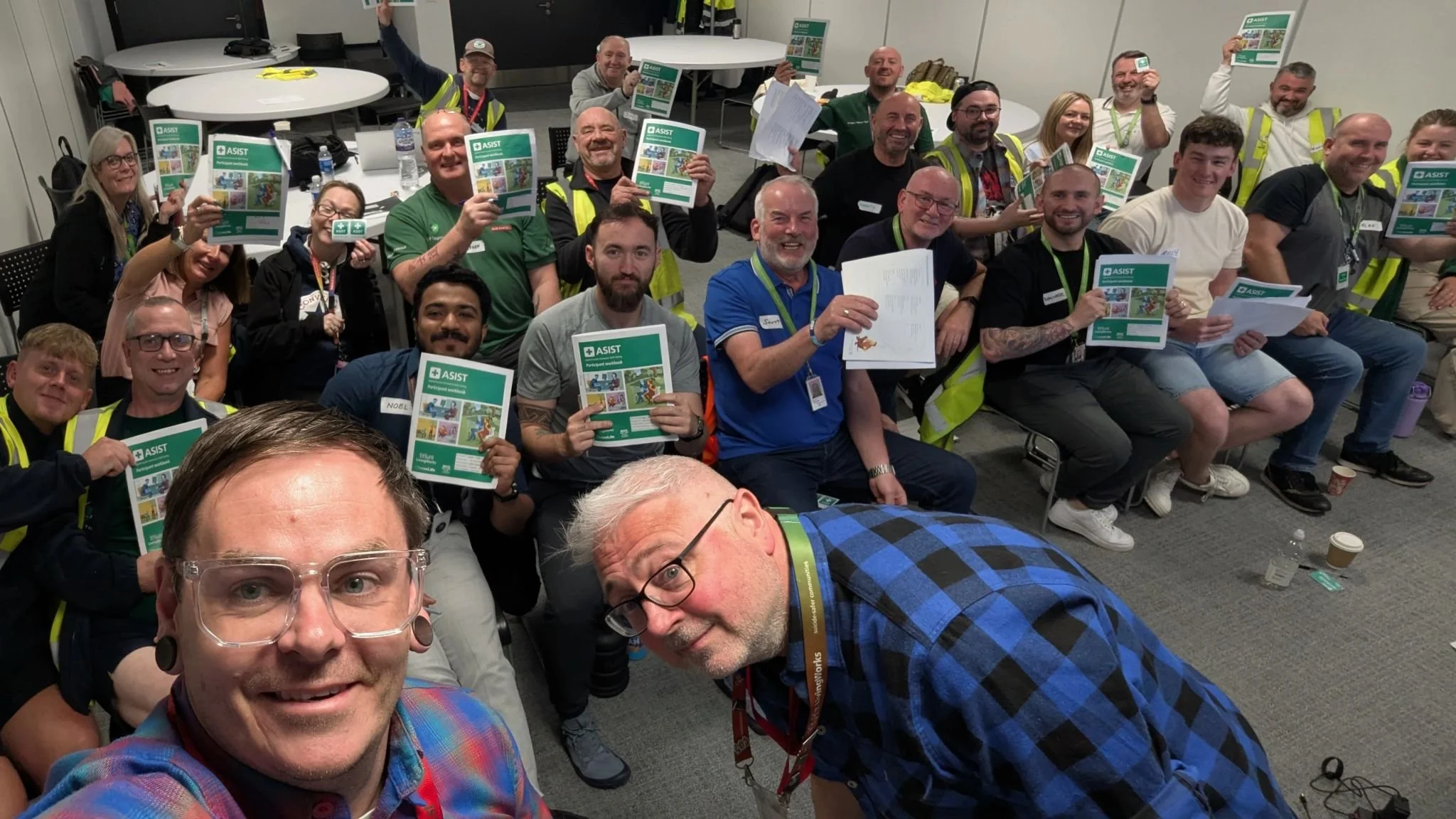
Chris and Sandy Hong Kong
Hong Kong · November 2025
The first ASIST delivery outside Scotland. Working with Sandy Sinn and 21st Century Learning International, we delivered to 22 participants in Hong Kong. The feedback was some of the most moving of the year.
“I recently used my ASIST training to do a suicide intervention. I felt much more prepared, and I am pleased to say that the individual concerned is now getting the support they need.”
Participant · Edinburgh
GFS
Programme Report · Groupwork & Facilitation Skills
Learning by doing.
The Programme
Two courses at ECCI Edinburgh, April 2025 and February 2026. Groupwork & Facilitation Skills is a one-day applied skills workshop for anyone who works with groups in any environment. The session is itself a demonstration of what it teaches, the room becomes a live model of everything participants are trying to get better at. That meta-quality comes up in the feedback every time.

Five facilitated criteria, six qualitative response fields per participant, and a response rate of 65%. The written responses from GFS participants are consistently the most reflective of any programme and the course is built to inspire reflection.
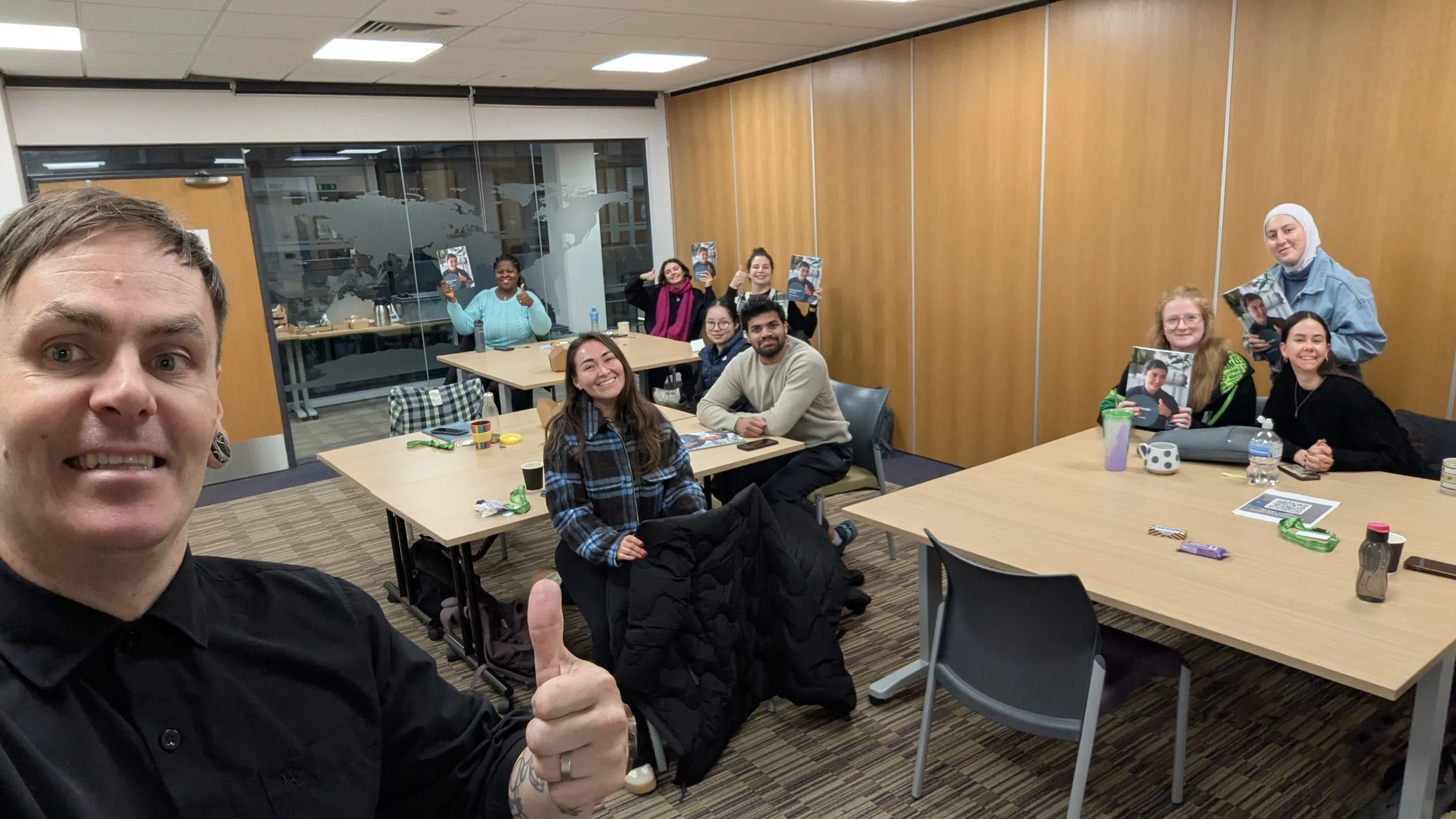
Learners17
Excellent %94.5%
Forms back11
Facilitator Ratings, Both Courses
Presentation
100%
Group Working
100%
Participation
100%
Equality & Diversity
100%
Pace
72.7%
First Actions, What Participants Did Next
→ Step 1
Write up a plan for my new and improved welcome week session.
→ Step 2
Update the feedback poll at the end of my next workshop to follow the love, question, shelf method.
→ Step 3
Adapt my teaching plan to let the students critique my work.
→ Step 4
Consider more than content when preparing a group session, keep styles and activities in mind.
→ Step 5
Chat to my line manager about doing an ice breaker activity at our next team meeting.
→ Step 6
I intend to work on all my teaching material with these principles in mind. Career-long project.
“In all the workshops Chris has facilitated, I have been super impressed at the energy levels and insights he brings. I always leave feeling inspired and ready to embed the learnings into my own work.”
Participant · GFS · ECCI Edinburgh
MHFA England Leeds
Programme Report
MHFA England
The Programme
Two courses at Leeds University, December 2025 and January 2026. MHFA England is the equivalent of SMHFA south of the border, a two-day certification course that equips people to recognise and respond to mental health challenges. Delivering both programmes allows me to offer consistent training to organisations with staff across Scotland and England.
Courses2
Learners24
LocationLeeds
Instructor rating /1010.0
Likelihood to recommend /109.54
Five criteria · Excellent %100%
Confidence Gain
+3.58
average gain on 10-point scale · 24 participants
Five criteria. Every one returned 100% across both courses. The confidence gain of +3.58 on a 10-point scale across 24 participants is among the strongest outcomes of the year across any programme.
“Chris delivered the training sensitively and at a great pace. There was a great supportive environment throughout and I will use the skills I learned in all aspects of my life.”
Participant · Leeds University
Taking it on the chin.
Constructive feedback & areas for development

I welcome critical feedback. It is the most useful kind and, in a report that is partly about the value of honest conversation, it would be strange to leave it out. What follows is drawn directly from participant feedback across all four programmes. I have not softened it. Quotes are paraphrased to protect anonymity. Some of it is about content design, some about pacing, some about venue and logistics. All of it is worth reading and most of it is already informing how I plan and deliver.

SMHFA
Pace: the data
Pace is the lowest-scoring criterion in SMHFA at 87.8% Excellent, compared to a programme average of 95.9%. It is the only criterion with any Average ratings. That gap is not dramatic but it is consistent, and it shows up in the written feedback too. SMHFA covers a lot of ground across two days and the tension between getting through the content and giving the room enough space to breathe is one I am actively working on.
87.8%
Pace rated Excellent
vs 95.9% programme avg
Content overlap
At least one participant noted that some content areas come up more than once across the two days. The SMHFA curriculum is set by the programme, but there is room to signal connections more explicitly rather than letting them feel like repetition.
“The course covers a lot of ground and some areas come up more than once. More efficient delivery could free up time elsewhere.”
Course intensity
A small number of participants found the two consecutive days demanding given the emotional weight of the content. This is a known challenge in the SMHFA programme design and something I try to manage actively through pacing, check-ins and breaks. I’ll keep working at it.
ASIST
Pace: the data
As with SMHFA, Pace is the lowest-scoring criterion for ASIST at 92.1% Excellent, though no Average ratings were recorded. The pattern across both programmes is worth taking seriously.
92.1%
Pace rated Excellent
vs 95.0% programme avg
Time for individual processing
ASIST is a dense two days. A thoughtful participant noted that pausing for individual reflection before group discussion would have helped them absorb the material more fully. This is something I can build in without disrupting the programme flow.
“A heavy subject, delivered over a short time. A little more space to let things settle before moving on would have helped.”
Roleplay support materials
A participant suggested that a quick-reference card covering different phrases and common things to say would help during practice conversations. The programme won’t allow for trainers to add more materials, but I’ll think more carefully about the roleplay set up and make sure learners are gathering phrases actively from each other through day one.
“Something to refer to during the roleplay. A short prompt card of different phrases would have been really useful in the moment.”
GFS & General
Online facilitation
More than one GFS participant noted the absence of content on online and hybrid facilitation. Given that most participants facilitate in blended environments, this is a genuine gap I am planning to address in future iterations.
“Facilitating online is a different skill. Even a short section on it would have been a really welcome addition.”
Pre-course context
Several participants felt the day could have been more tailored to their specific contexts if some background had been gathered beforehand. A short pre-course questionnaire is in the plan for next year.
“Knowing a bit about us beforehand could have made the examples land even better.”
Venue and logistics
Across a small number of courses, participants noted issues with ventilation, lighting, catering and travel access. These things affect the experience and I feed them back to commissioners when they arise and try to repeat book with trusted venues.
What happens next.
Recommendations & Year Four

Year three has been the most active and geographically ambitious year of delivery so far. The feedback is strong, the critical notes are clear, and there is real momentum to build on. What follows are nine things I am committing to for year four.

01
Keep doing what is working
The data is strong across all four programmes and the qualitative feedback is consistently warm. The delivery model, the variety of co-trainers across ASIST, the community-first travel philosophy. These are working and should be protected, not tinkered with for the sake of change.
02
Respond to the pace and content feedback
Pace is the lowest-scoring criterion across both SMHFA and ASIST. The critical feedback identifies the specific tensions. Year four is the moment to make deliberate adjustments to timing, content signposting and space for reflection, and to test whether they move the numbers.
03
Continue supporting the ABHSCP contract
The Argyll and Bute HSCP delivery is led by the Training Lead who holds that relationship. My role is as co-trainer and that partnership has produced some of the strongest community-based work of the year. Dunoon, Lochgilphead, Campbeltown, Helensburgh. Showing up well for that team and for those communities is worth naming as a priority in its own right.
04
Expand the University of Edinburgh relationship
The School of Geosciences has commissioned SMHFA, ASIST and GFS across multiple cohorts and that trust is something I want to build on. Staff from other schools across the university have already attended through the GeoSciences courses and through public provision. There is a clear opportunity to take the relationship beyond one school and make Edinburgh a more consistent, university-wide presence.
05
Build relationships across Scotland and England
The dual licence for SMHFA and MHFA England is a genuine differentiator. Very few trainers can offer both. The strategic opportunity is to identify organisations with staff across both nations and position as the consistent provider on both sides of the border.
06
Build on the Asia partnership
Hong Kong was a strong first delivery and the feedback from participants was some of the most moving of the year. The goal is a return to Hong Kong and, working with Sandy Sinn and 21st Century Learning International, to explore further ASIST deliveries across the region. The foundation is there. It is worth building on.
07
Find new in-house clients in Scotland
Year three has involved a lot of relationship nurturing, which has been the right thing to do. But the pipeline of new Scottish in-house commissions has been quieter as a result. Year four needs some new conversations, particularly for ASIST. There are organisations across Scotland who would benefit from having their staff trained and who simply have not been reached yet.
08
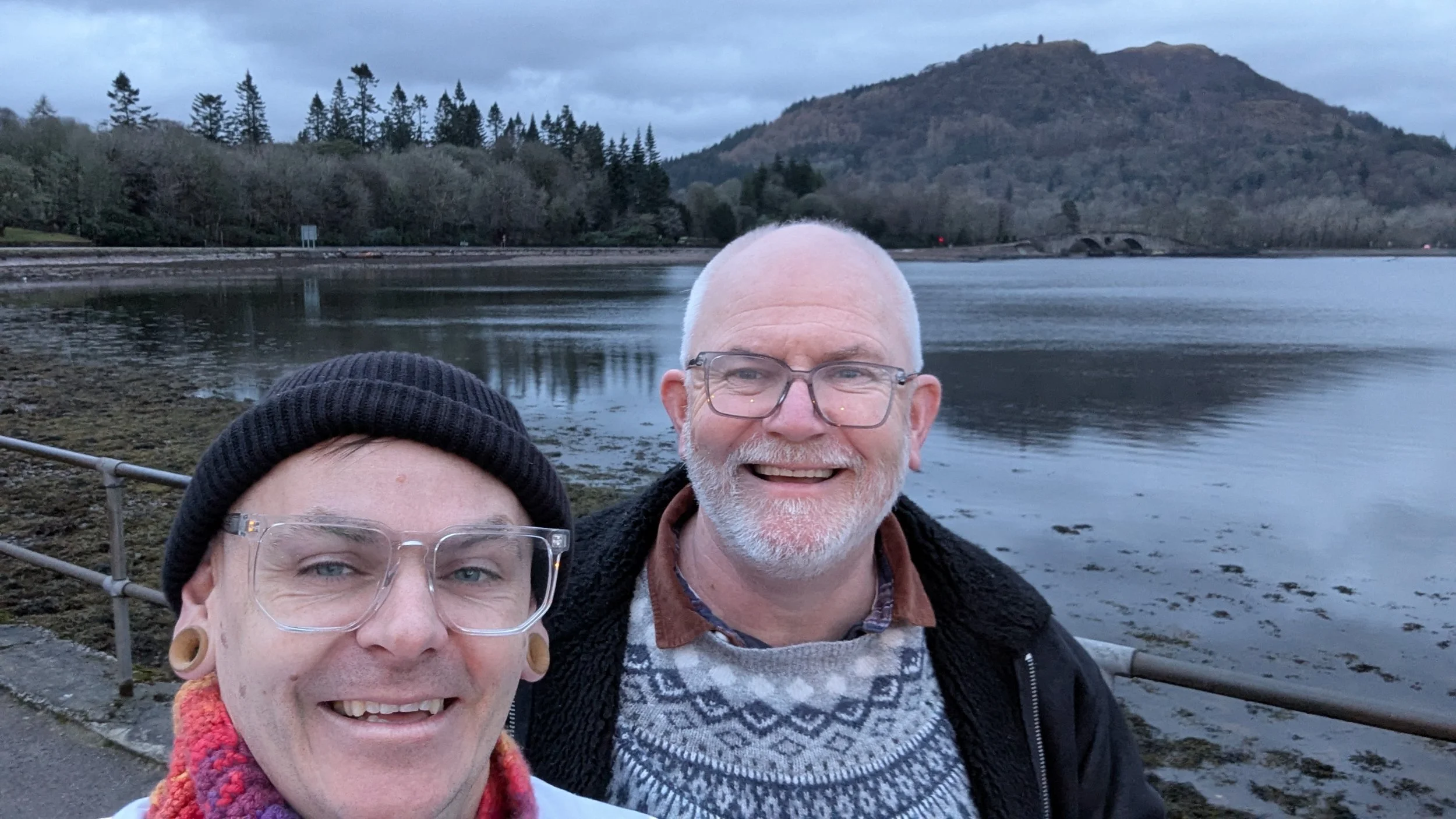
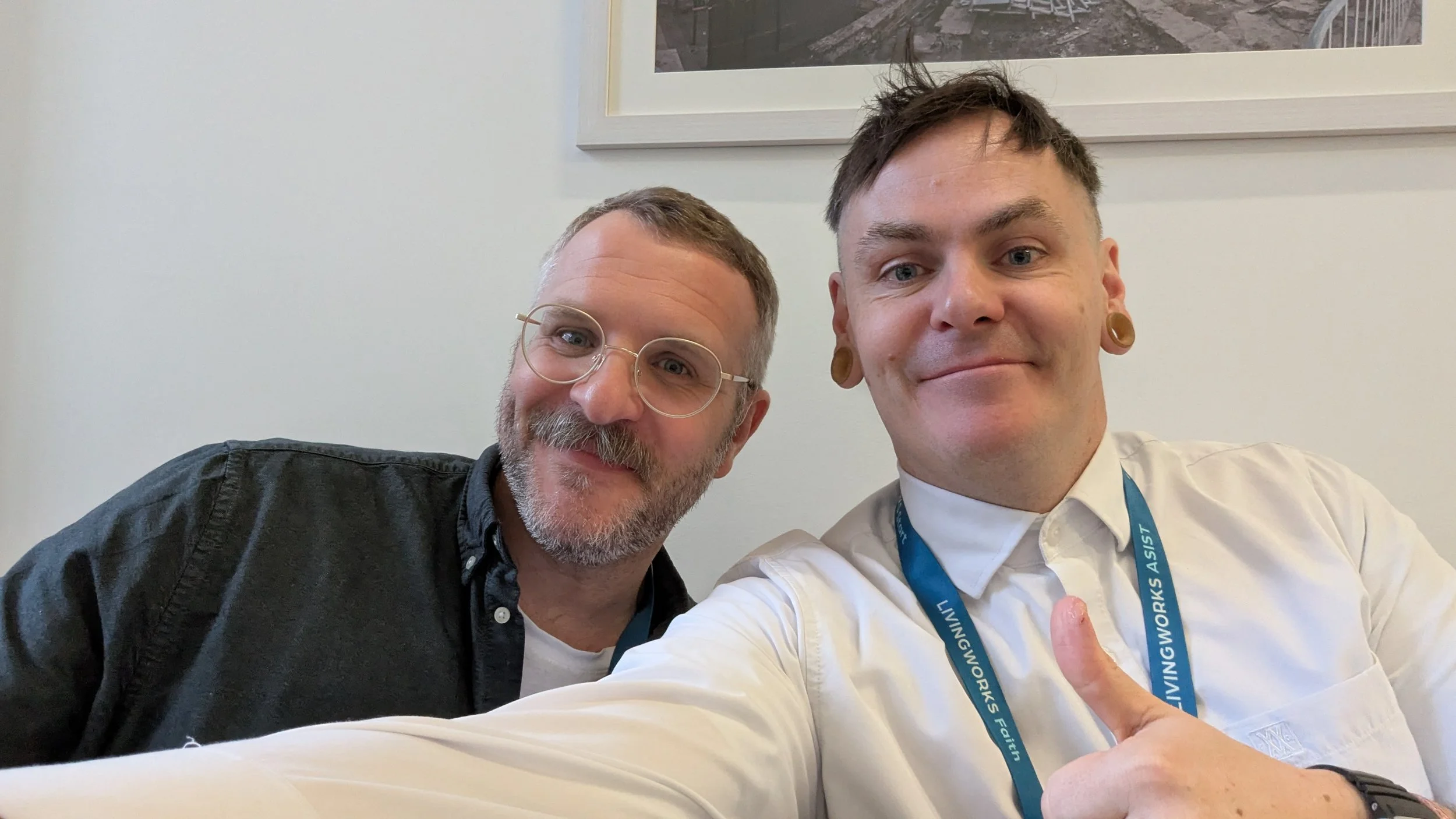
Never forget the co-trainer selfie
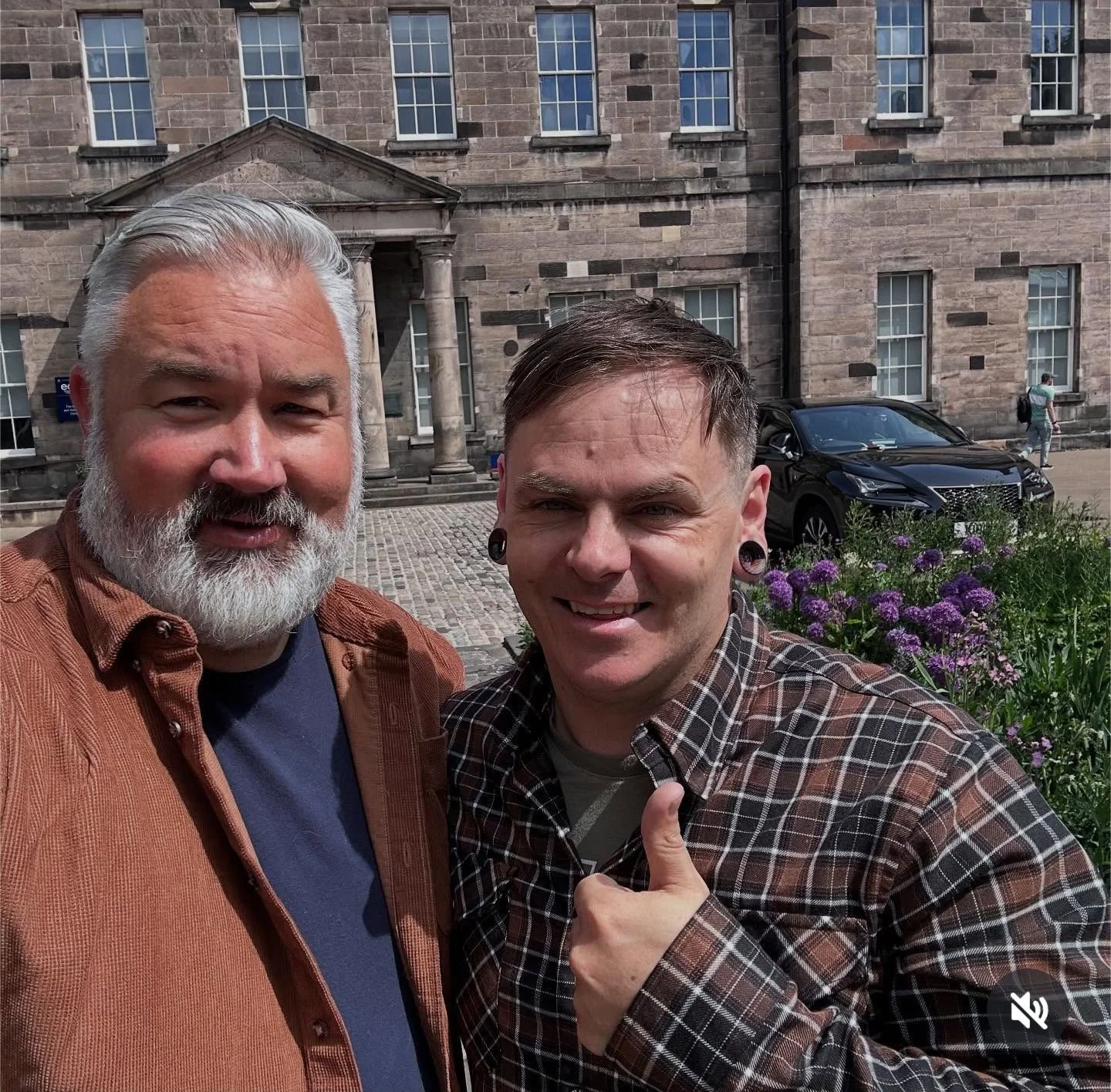
There is something really nice about looking back at photos from shared deliveries. Two days in a room with another person, working through some of the most difficult conversations people have, and then a selfie at the end of it. It captures something that the data does not. Apologies to anyone I missed. I will do better in year four.
09
Evaluation for everyone
I know my clients and learners care about evidence and I have good access to good quality feedback data across every programme I deliver. From year four, every client receives a bespoke designed, data-driven two-page evaluation report after every course, not unlike this one. It can be branded and styled for each client and I’ll even make them for open courses for each learner to have.

This will not be an optional extra, but a standard part of the service.
Thank
you.

A warm and genuine thank you to my supportive co-trainers for having me on your courses, and sharing mine. Keir, Davey, Gary, David, Kevin, Kirsty, Sandy and Danny, you each brought something that made the year better than it would have been alone. 8 co-trainers across eight ASIST courses and multiple SMHFA deliveries. It is a privilege to work alongside you all and I’m so sorry I missed out on some of the selfies!
Hong Kong
Annual Report · Year Three · 2025–26
504 people.
28 courses.
One year.
contact@chrisgrantgla.com
chrisgrantgla.com

Download a PDF of the report

here -
CHRIS GRANT GLA - ANNUAL REPORT